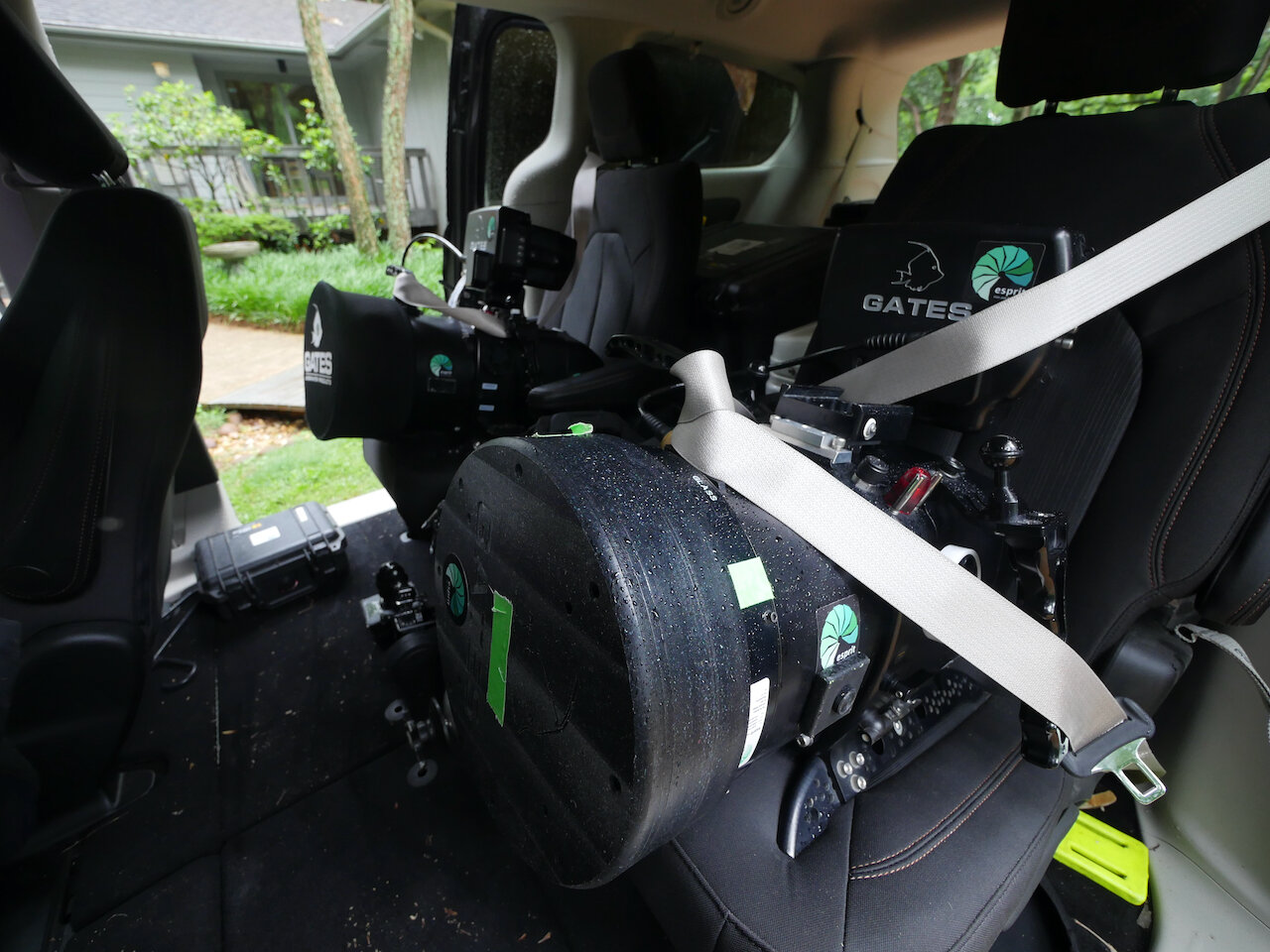
From 2017 to 2019, I went out on a number of shoots for the ‘North America’ and ‘Antarctica’ episodes of the BBC series ‘Seven Worlds, One Planet’. My work on this series took me to some interesting - and very varied - locations, filming creatures great and small, with each shoot presenting some very different challenges.
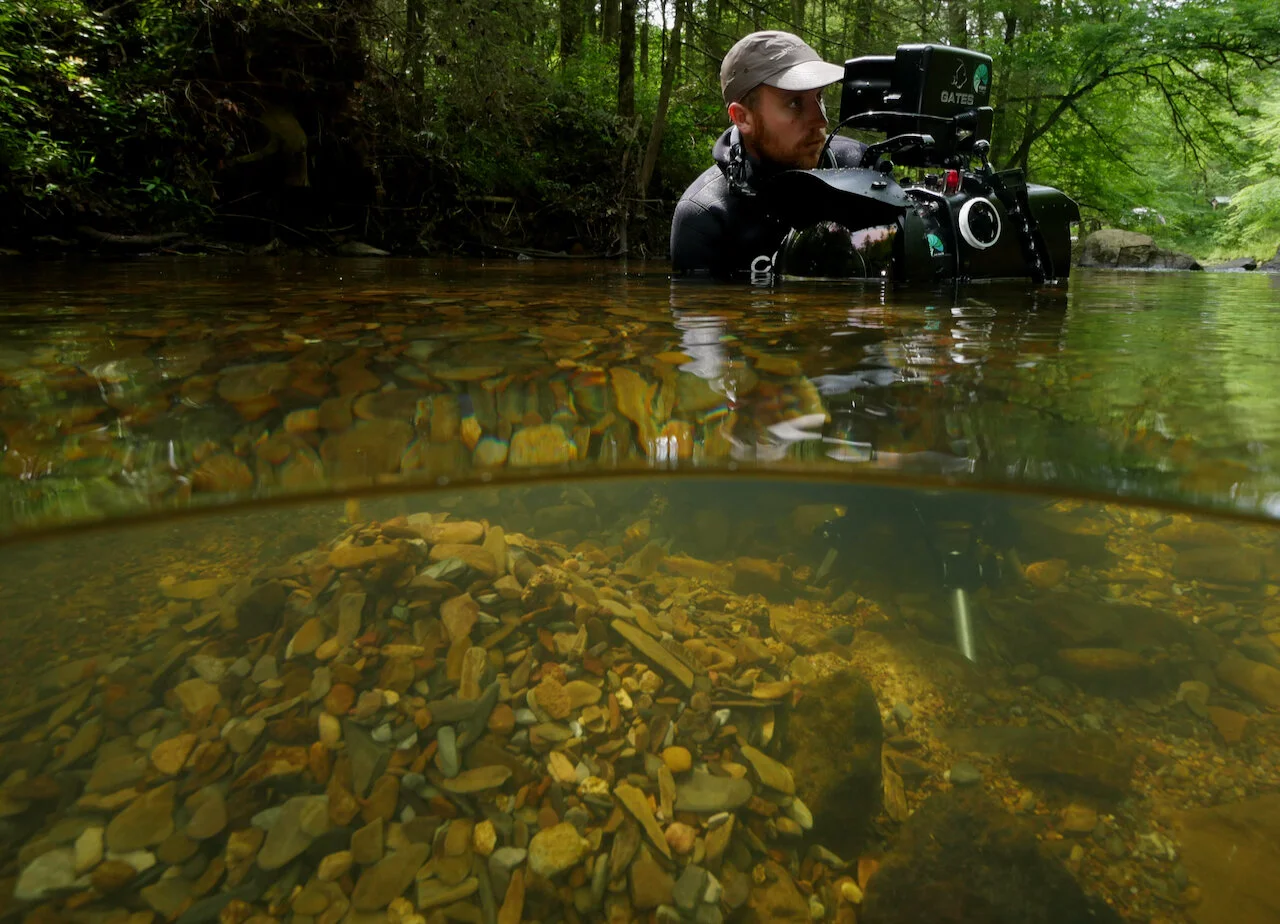
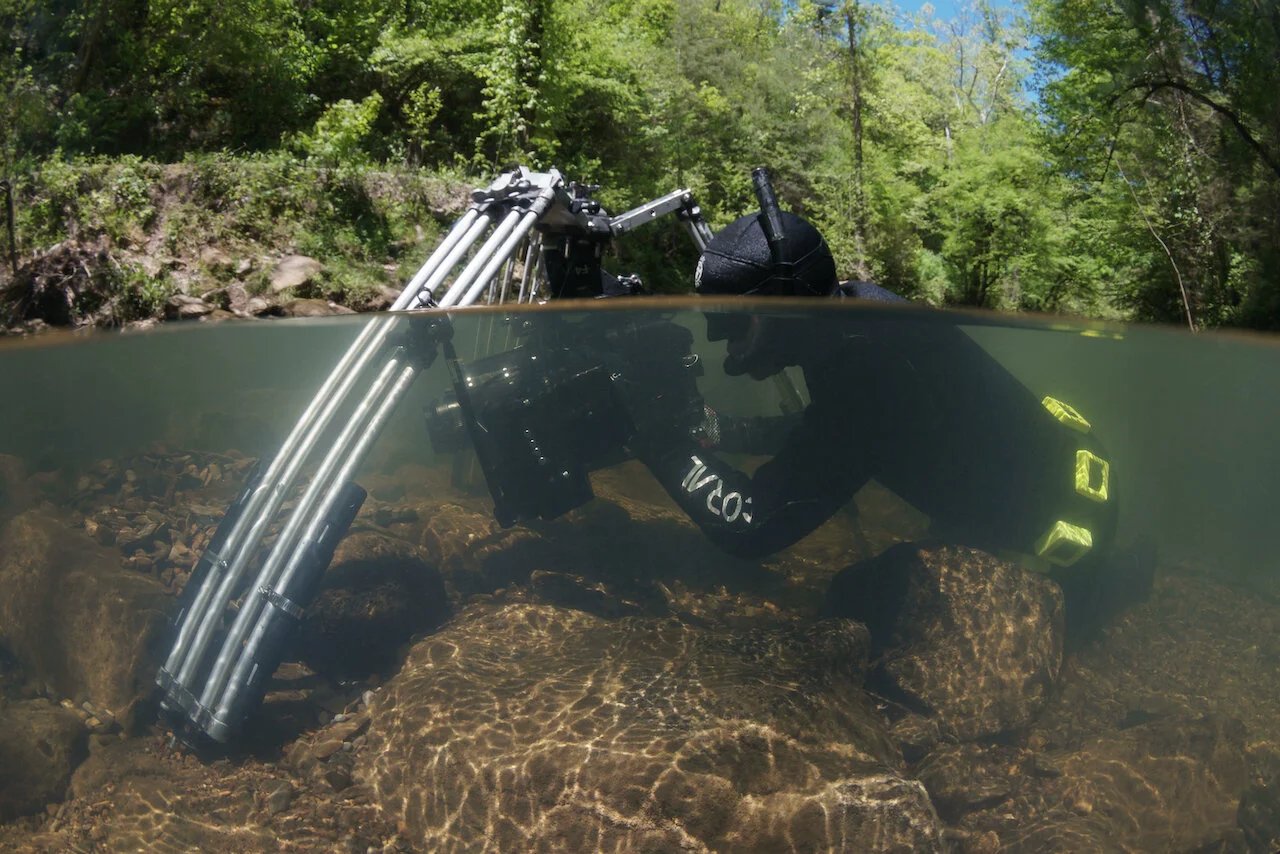
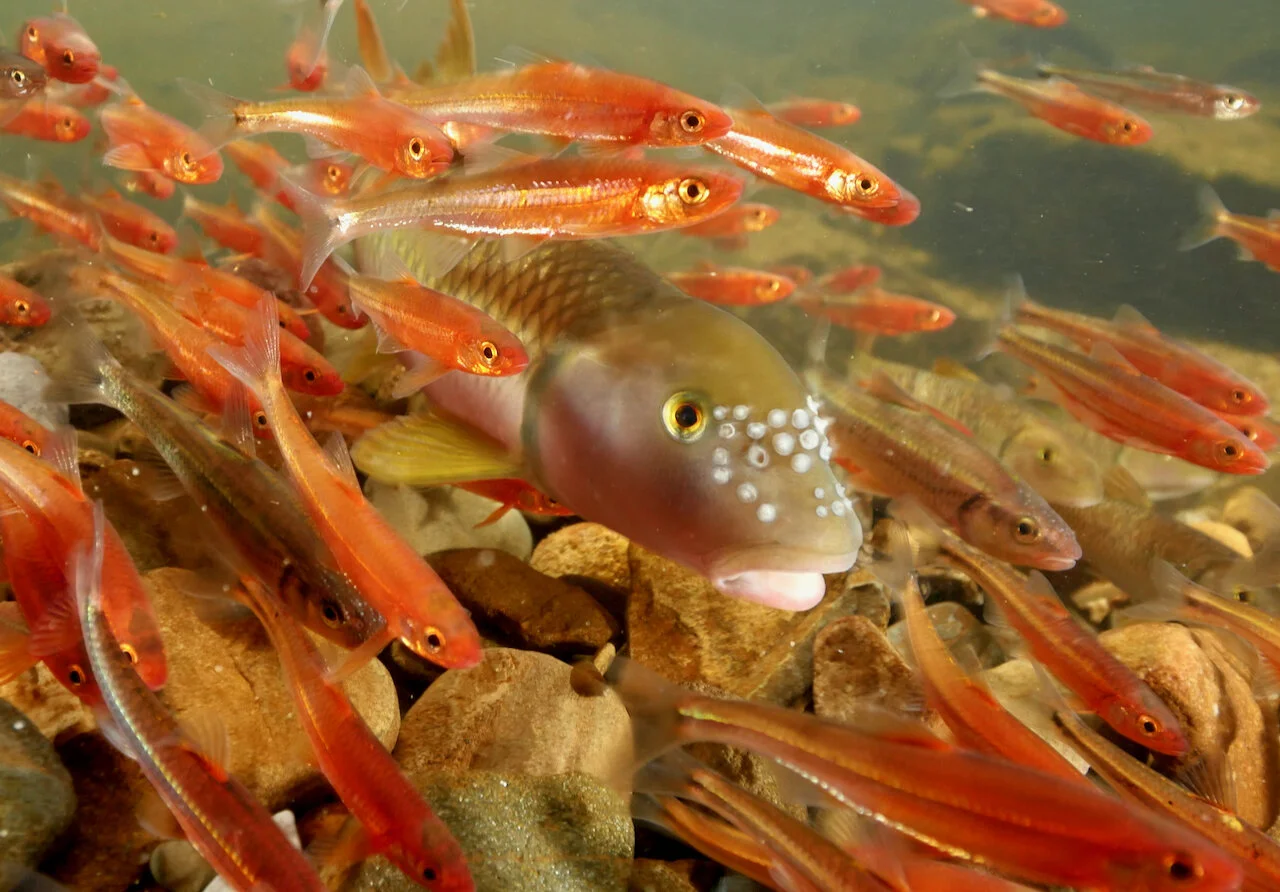
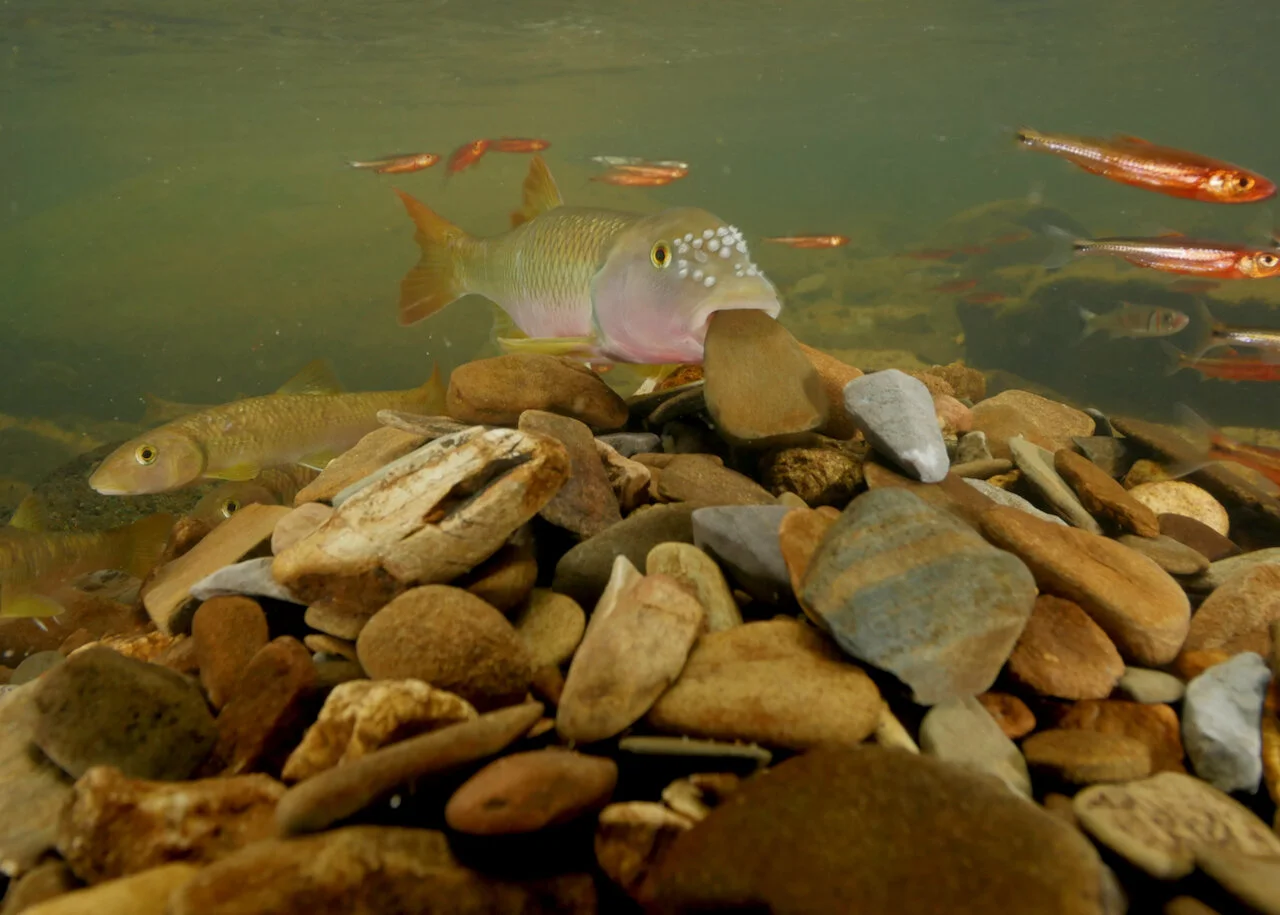
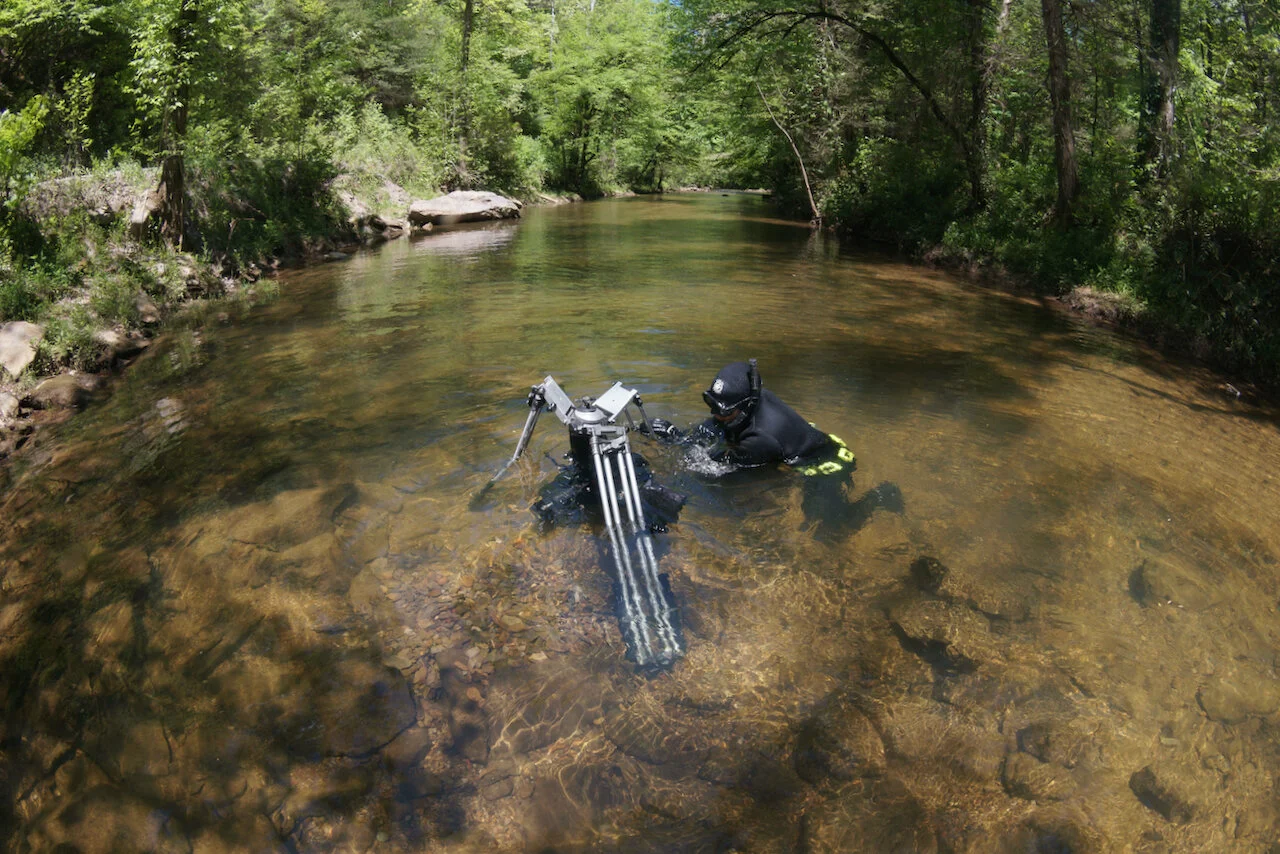
In Tennessee, I spent many weeks attempting to document the spawning and nesting behaviours of Nocomis micropogon - the River Chub. I would estimate that cumulatively I must have spent around 300 hours observing and filming these river chub, in order to thoroughly cover the behaviour in the level of detail that sequences for these kind series require. I really enjoyed the challenges of this shoot - the environment was completely new to me and documenting new behaviours in such detail is such a privilege in this job.
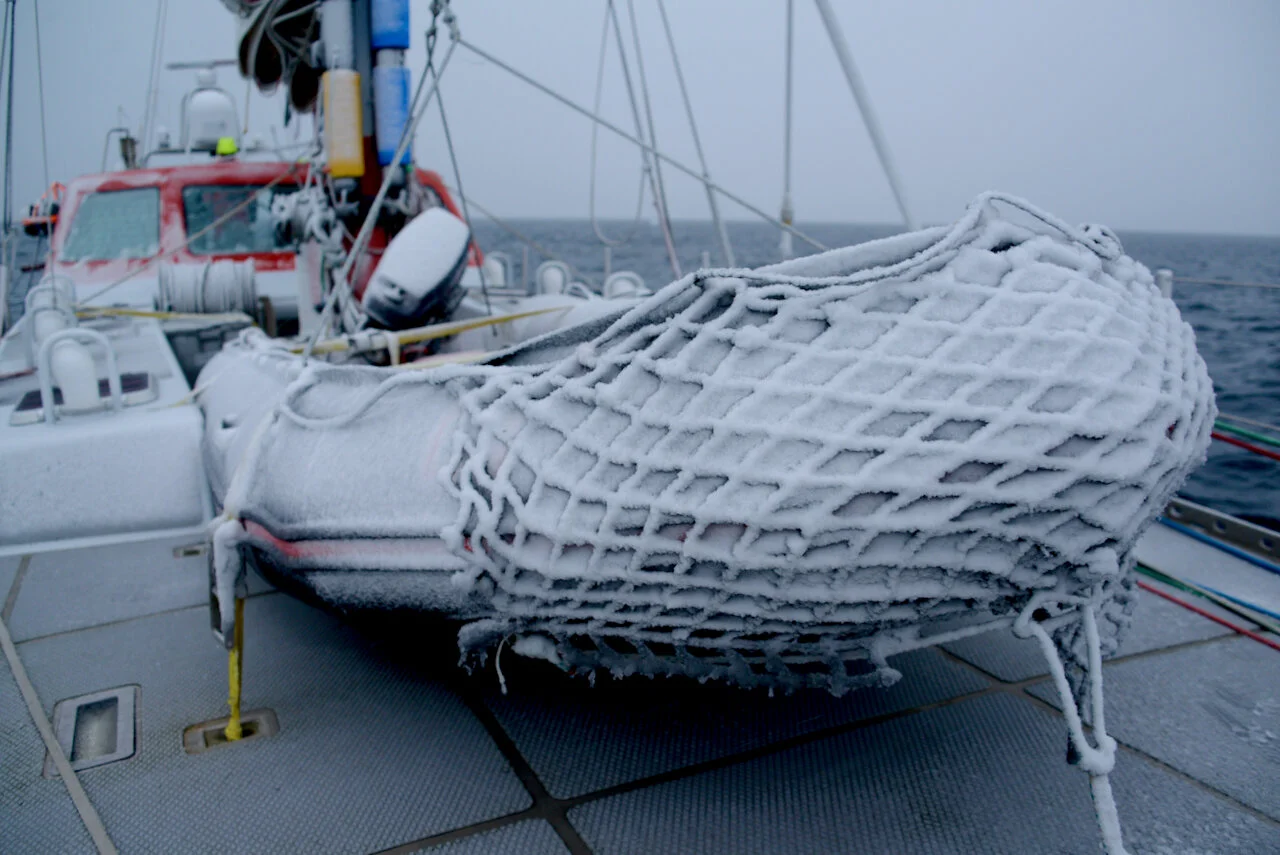
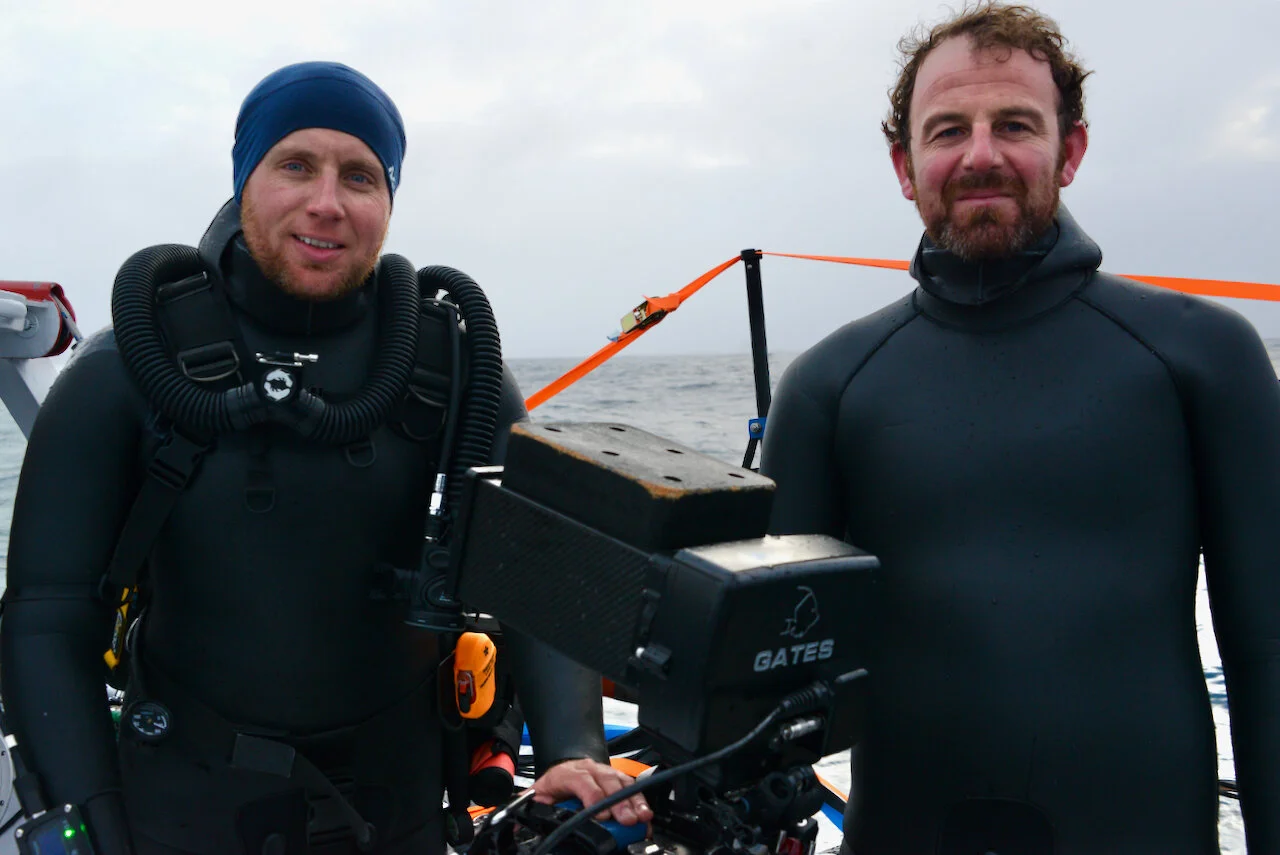
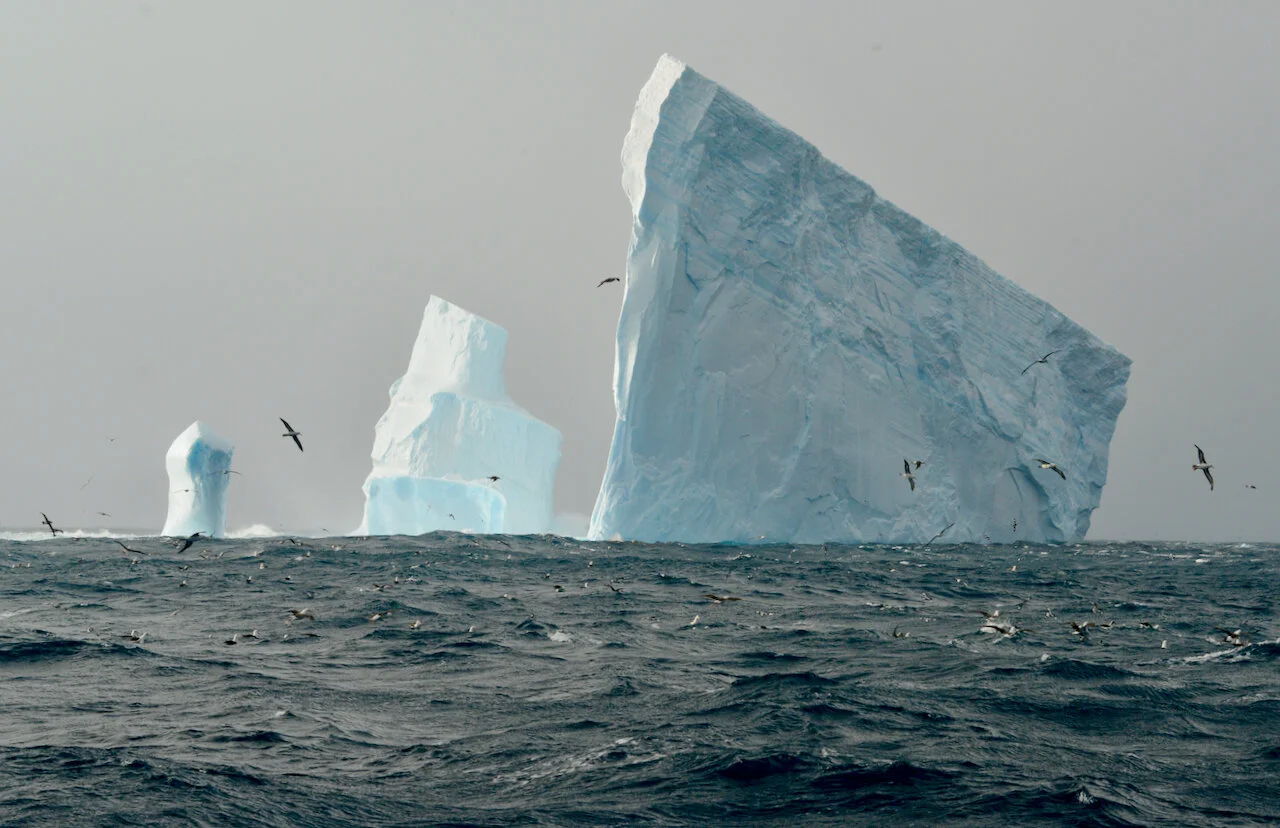
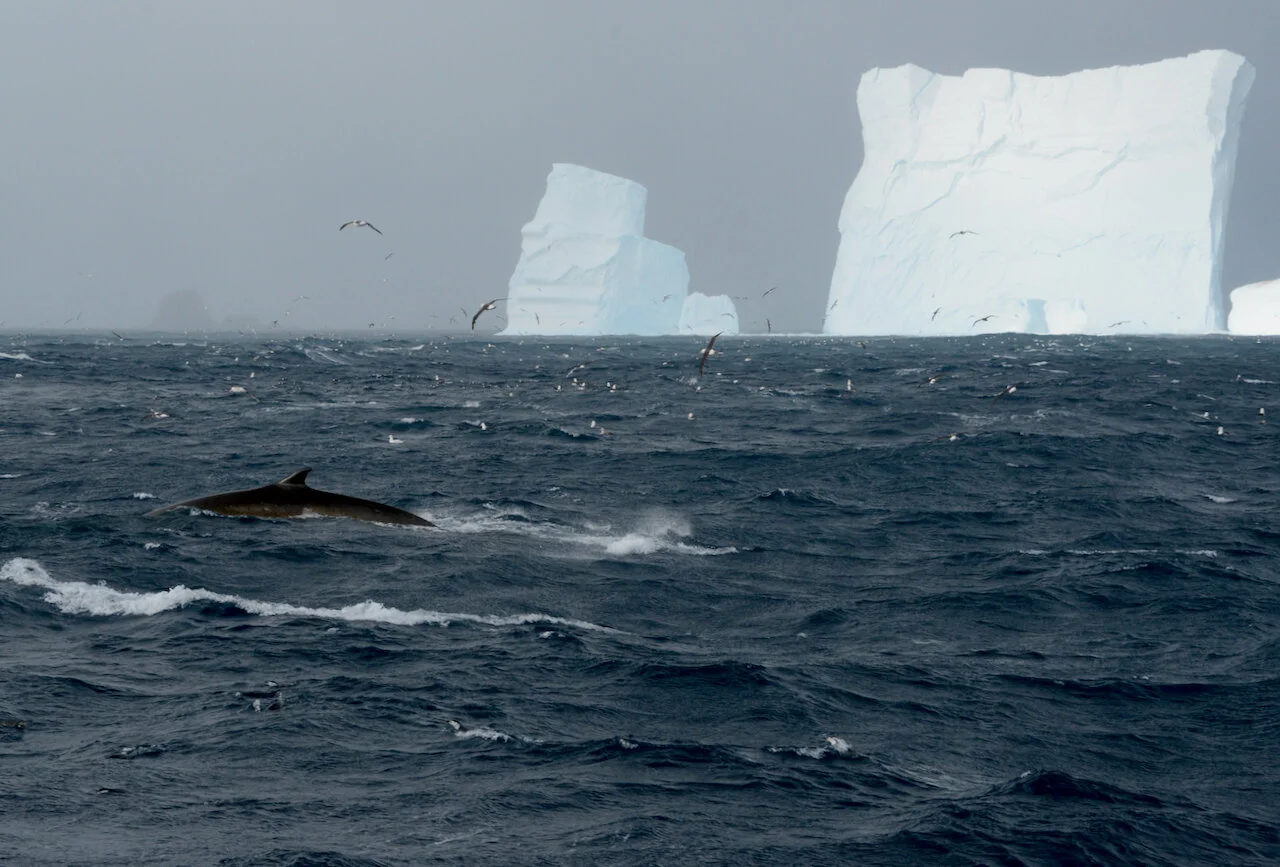
Some 10,000 km away from Tennessee, on the Antarctic Peninsular, I was sent to try and document underwater what is likely to be one of the largest feeding aggregations on the planet. Populations of Fin whales - the second largest animal to have ever lived - have made a remarkable comeback in Antarctica, since numbers were decimated by commercial whaling. BBC producer Fredi Devas sent me to Antarctica try and document this spectacle underwater for the first time. The location was remote, tough and cold (no surprise there!), but in our short time on location we did manage to get shots of feeding whales underwater, as well as swarms of krill, penguins and seals. This was another huge privilege - to be sent to document such a new and remarkable spectacle.